
Midlife to Menopause Program
Perimenopause (meaning the time “around” menopause) can begin as early as age 35 and is often defined when the menstrual cycle becomes irregular, along with mood changes and sleep difficulties. We love this short video from Dr. Haver that provides a great explanation of the transition.
Menopause begins after the cessation of menses for 1 year. There are over 60 symptoms of perimenopause and menopause which occur due to slowly decreasing stores of estrogen and progesterone.
A few symptoms can include; vaginal dryness, pain with intercourse, urinary incontinence, bowel dysfunction, brain fog, irritability, hot flashes, night sweats, dry skin and/or itchy skin, resurgence of acne, weight gain, low libido, and more.
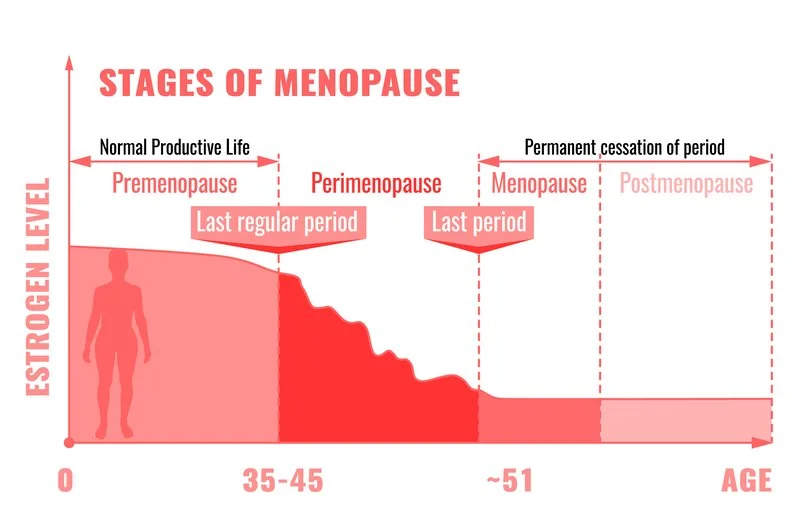
The midlife hormone transition often rocks women to their core. They feel out of control and out of sorts in their bodies. These changes speak to the incredible complexity and power in women’s bodies as hormones will have an effect on every system in their bodies.
Perimenopause and menopause are a major physiologic life transition which continues to be disregarded, covered up and minimized. Women are tired of being “un-seen” and need support to understand these changes and how best to navigate them. Madrona is here to be a trusted advisor giving you the road map to live your most confident and healthy life.
Madrona Can Help Ease the Transition
Improve Bladder and Bowel Confidence!
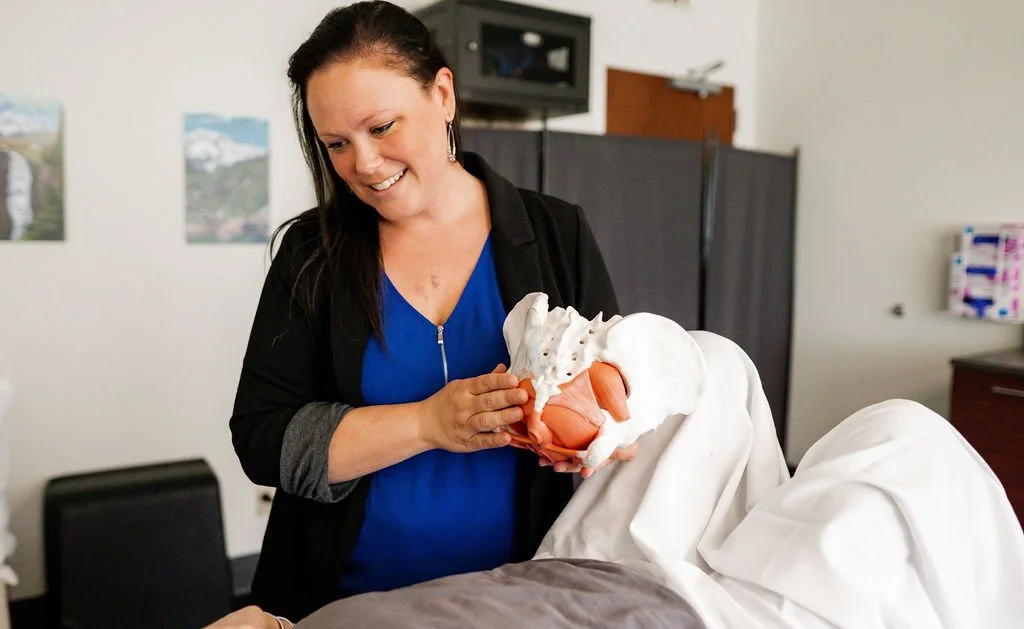
Pelvic floor therapy helps to strengthen pelvic floor muscles, improving their endurance and coordination to reduce leaks and improve control. Techniques and exercises are available to manage the bladder and bowel and reduce its interruptions in your life.
Improve Sexual Health & Satisfaction
Pelvic floor therapy can increase blood flow to the pelvic area, which can improve vaginal health and lubrication. Learn resources for lubricants, moisturizers and sexual health longevity. Pelvic floor movement and exercise can increase muscle strength and coordination leading to improved penetrative activities and orgasm strength making intimacy more enjoyable.
Reduce Pain and Stress
Hormonal changes, lack of sleep and stress can create pelvic floor muscle tension, pain, or improper muscle coordination. We will teach you techniques and movements to relax tense musculature and improve muscle coordination and function. We will use wellness strategies, lifestyle changes and other techniques to alleviate pain and sooth the overactivated nervous system.
Reduce Pelvic Pain and Stress
Hormonal changes, lack of sleep and stress can create pelvic floor muscle tension, pain, or improper muscle coordination. We will teach you techniques and movements to relax tense musculature and improve muscle coordination and function. We will use wellness strategies, lifestyle changes and other techniques to alleviate pain and sooth the overactivated nervous system.
Pelvic Organ Prolapse
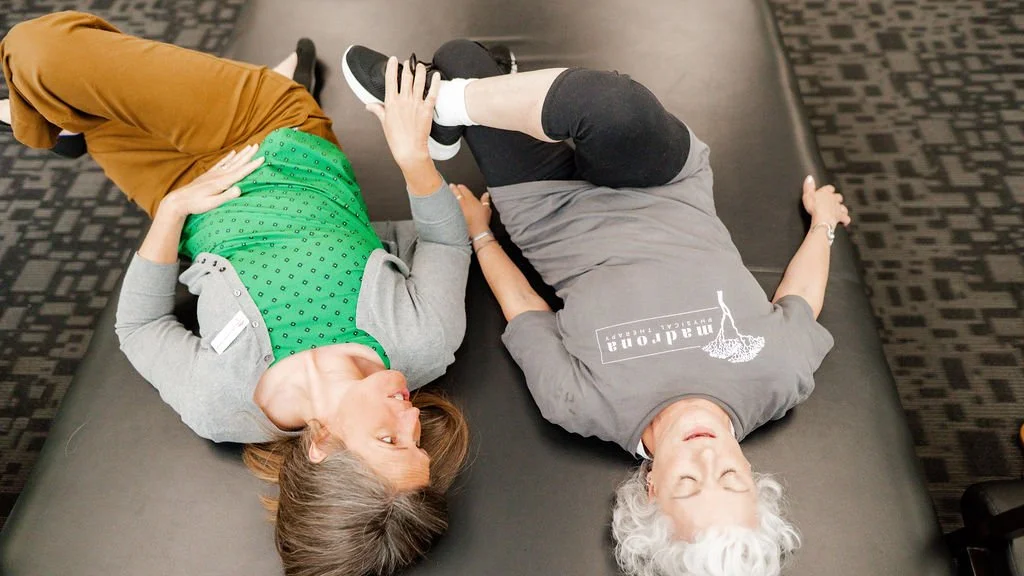
Many women experience pelvic organ prolapse. This is when the bladder, rectum or uterus loses support and pushes into the vaginal canal. Pelvic floor therapy includes strengthening the muscles that support these organs, teaching you pressure management, and how to coordinate the pelvic muscles within the core system. These plus life style modifications all help to prevent or manage prolapse. A pelvic health PT can also prescribe a pessary, an internal brace that is worn inside the vagina, which can provide relief for the symptoms and improve pelvic floor muscle function. Click here to read more on pessaries from our blog.
Pelvic Wellness and Prevention
As women age they often experience pelvic health concerns but with proper guidance from a pelvic PT, we can help you prevent issues before they even occur. Empowering pelvic health can provide increased health and function for your life time.
Call us today for the help and support you need at this phase of life!